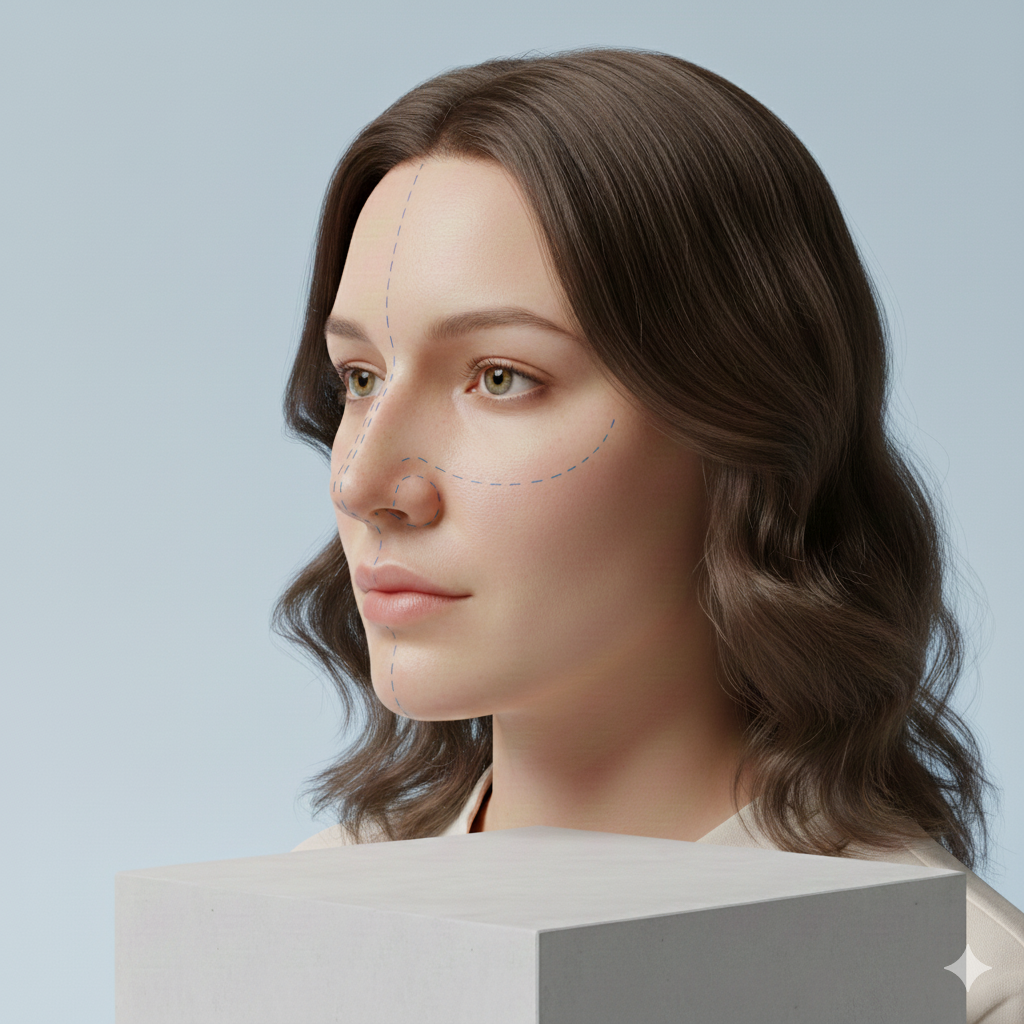
What is Rhinoplasty (Nose Surgery)?

Scientific and transparent information about a surgical method used to correct structural deformities of the nose and improve respiratory functions.

Rinoplasty is a surgical procedure performed to reshape the external appearance of the nose and resolve breathing problems (such as deviation), if present. The objective is to achieve a natural look that is harmonious with the facial features while preserving or enhancing healthy respiratory function.

parallax background

Essential Considerations for Your Rhinoplasty Journey

  • Patience During the Healing Process: It is important to remember that rhinoplasty results are not immediate; while the initial recovery happens quickly, the final shape of the nose continues to refine as post-operative swelling subsides, typically taking six months to a full year to settle.

  • Realistic Expectations and Personalization: A successful outcome focuses on achieving a natural-looking result that harmonizes with your unique facial proportions, which is why a detailed personal consultation and customized surgical planning are the most critical steps.

  • Post-Operative Care and Protection: Following your surgeon’s specific guidance on post-surgical care is vital for a smooth recovery process and for maintaining the integrity of the new nasal structure during the delicate healing phase.

  • Choosing the Right Expertise: Since rhinoplasty is a permanent and life-changing procedure, selecting a board-certified surgeon who prioritizes both aesthetic balance and long-term respiratory health is essential for ensuring lasting satisfaction.

This is the title

Who is a Good Candidate?
Rhinoplasty is a personalized procedure tailored to each patient's unique anatomy and goals. You may be an ideal candidate for this surgery if you meet the following criteria: Functional Needs: If you suffer from chronic breathing problems, a deviated septum, or nasal structural issues that affect your quality of life. Aesthetic Goals: If you are looking to correct a nasal hump, refine a bulbous tip, straighten a crooked bridge, or adjust the size of your nostrils. Physical Maturity: If your facial growth is complete. It is generally recommended for individuals aged 18 and older to ensure the nasal structure has reached its final shape. Good General Health: If you are in good overall health and do not have medical conditions that could impair healing. Realistic Expectations: If you have a clear understanding of what the surgery can achieve and aim for improvement and harmony rather than "perfection." Rhinoplasty not only enhances the appearance of the nose but also boosts self-confidence and improves respiratory health.
The Rhinoplasty Journey: Step-by-Step
Rhinoplasty Process Before Surgery Medical Assessment: Detailed evaluation of nasal structure and skin type. Clinical Tests: Blood tests and internal nasal imaging if required. Consultation: Final planning of aesthetic and functional goals with your surgeon. During Surgery Technique: Performed via Open or Closed methods based on patient needs. Duration: Typically lasts 1.5 to 3 hours. Anesthesia: Performed under General Anesthesia for your safety. After Surgery Hospital Stay: Usually same-day discharge or 1 night stay. First Week: Splints and silicone supports are removed within 5–7 days. Follow-up: Regular check-ups to monitor the healing and final shaping process.
Potential Benefits of Rhinoplasty
Achieving an aesthetic appearance in harmony with facial features, improvement in functional complaints related to breathing issues, an increase in quality of life and self-confidence, and the ability to breathe more easily during physical activities can be expected. Results may vary from person to person.
Rhinoplasty Risks and Essential Considerations
Rhinoplasty is a specialized surgical procedure designed to enhance facial harmony and improve breathing functions by reshaping the nasal structure. While it offers transformative results, it is important to understand that every surgery carries certain risks such as minor bleeding, infection, temporary breathing difficulties, or potential dissatisfaction requiring revision. Achieving the best outcome depends on a personalized surgical plan and a multidisciplinary follow-up process to ensure both aesthetic balance and long-term health. This irreversible procedure should only be performed on eligible candidates after a comprehensive evaluation by an experienced surgeon to ensure safety and patient satisfaction.